
You’re good at this.
Really good.
You’ve spent years building technical depth that most people in the room can’t match. You solve the problems nobody else can solve. You deliver. You show up.
And something is still in the way.
Not your capability. Not your work ethic. Not your technical knowledge.
For a long time, I believed the same thing you probably believe right now. That the work should speak for itself. That experience, expertise, and results would eventually be recognized.
That the political and relational side of an organization was a game I didn’t need to play. And frankly, one that felt inauthentic to who I was.
I was wrong.
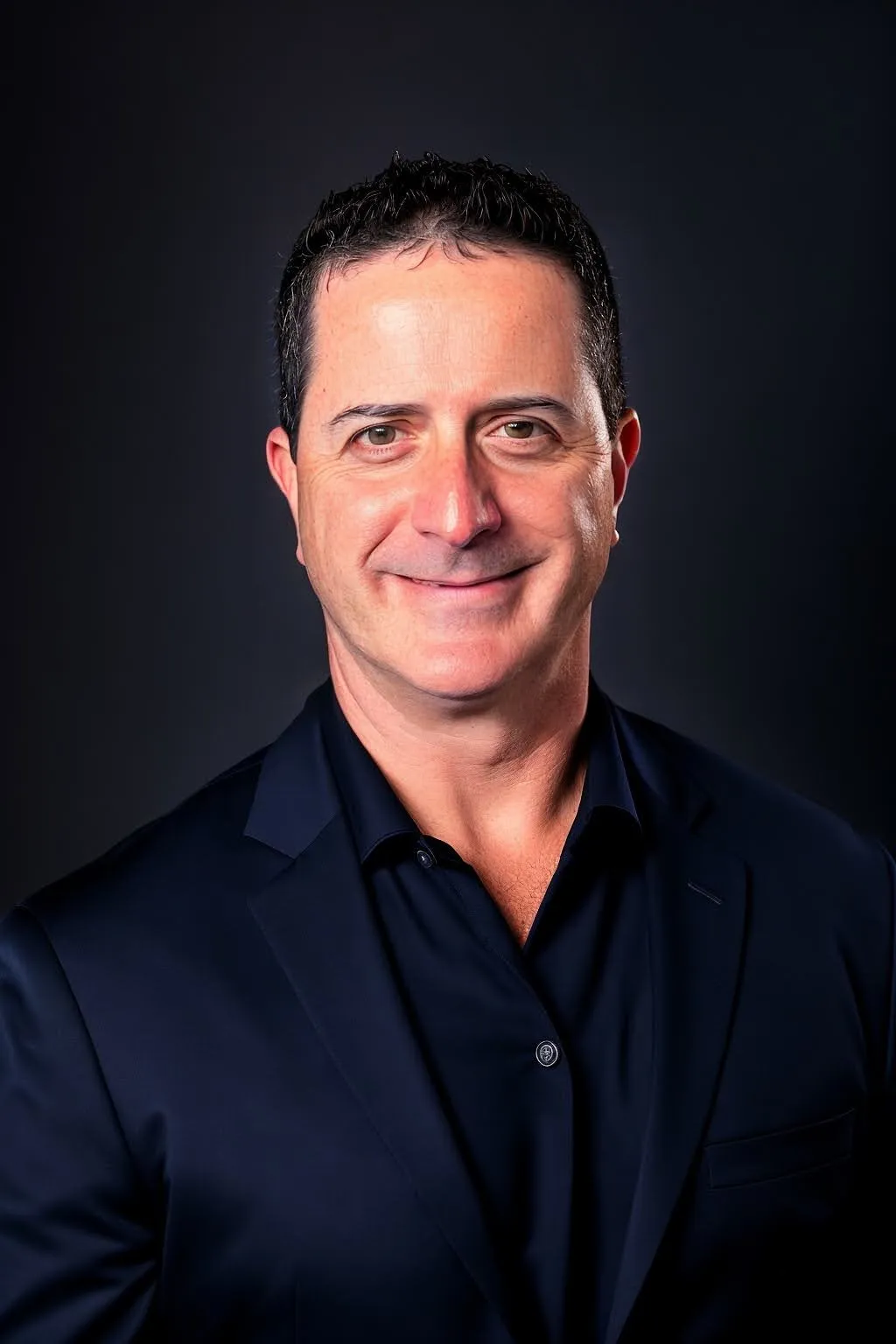
Nearly 40 years in IT. Sales engineering, solutions architecture, leadership, data centers, NOCs. I’ve spent my career in the same environments, dealing with the same pressures, personalities, and expectations that experienced technology professionals navigate every day.
And I watched people with less technical depth move into rooms I couldn’t get into.
Not necessarily because they were better. Because they understood something I hadn’t figured out yet.
At a certain level, your career stops being primarily about what you know and starts becoming about how you show up.
How you communicate. How you influence. How others experience you. How you see yourself, and the assumptions you carry into every conversation, decision, and opportunity.
For years, I believed being exceptionally good at my job was enough. I had built an identity around being the person who knew the answers, solved the problems, and got things done.
And that identity had served me well.
Until it didn’t.
At some point, I started paying closer attention. I watched people move forward. New hires stepping into roles I was qualified for. Colleagues who stopped relying exclusively on their technical expertise and began showing up differently.
Some succeeded. Some didn’t.
But I began to recognize a pattern. There was often something beneath the surface influencing the outcome. A belief, a behavior, an assumption, or a way of seeing themselves that either opened possibilities or quietly limited them.
And I started recognizing those same patterns in myself.
I had spent years looking outward for explanations. The organization. The leadership. The politics. The opportunities that never materialized.
Some of those obstacles were real. But focusing on them wasn’t helping me understand what I could do differently.
That required looking inward.
And what I discovered wasn’t particularly comfortable.
Some of the things holding me back had nothing to do with my technical ability or the opportunities available to me. They were beliefs I’d carried for years. Assumptions about how success worked. Habits and behaviors that had helped me get where I was, but weren’t necessarily going to get me where I wanted to go.
Recognizing those patterns changed how I approached my career, my relationships, and the way I showed up.
It also changed how I saw other people.
I began having conversations with colleagues and friends who were struggling with their own version of the same problem. Talented, experienced people who knew their work inside and out but couldn’t quite understand why they weren’t getting the results they wanted.
And I discovered something about myself.
I had a knack for asking questions that made people stop and reconsider what they believed to be true.
Not giving them advice. Not telling them what they should do. Asking the questions that helped them see something they hadn’t seen before.
Sometimes those conversations were uncomfortable. Sometimes they challenged beliefs people had held for decades.
But that’s often where the most meaningful change begins.
That realization eventually led me to coaching.
Today, I work with experienced technology professionals who are ready to examine what’s actually standing between them and the next chapter of their careers.
I don’t believe the answer is always to work harder, learn another technology, or wait for someone to recognize your value.
Sometimes the most important work is understanding how you see yourself, how others experience you, and what you may be doing without realizing it.
I’m not here to help you feel better. I’m here to help you see better.
Because once you see something differently, you have the opportunity to do something differently.
A note on credentials. I am a Certified Professional Coach accredited through the International Coaching Federation as an ACC. I trained at Lumia and High Impact Coaching. I hold myself to the ethical and professional standards the ICF requires.
I mention this not to impress you but to reassure you. This is not something I stumbled into. I did the work to learn how to do this properly, the same work I ask of the people I coach.


Quick Links
© 2026 Humans Being Success Coaching - All Rights Reserved.